There’s a certain magic that happens when you take a classic, beloved cookie and give it a bright, unexpected twist. That’s exactly what these Buttery Lemon Snickerdoodles are all about. I’ve always adored the soft, tangy chew of a traditional snickerdoodle, but one sunny afternoon, with a bowl of fresh lemons on my counter, I wondered what would happen if I infused that classic with a burst of citrus. The result was nothing short of spectacular. This isn’t just a sugar cookie with a hint of lemon; it’s a complete reimagining. The familiar comfort of the buttery, tender crumb is still there, but it’s elevated by the vibrant, aromatic zest and juice of fresh lemons, creating a cookie that is both nostalgic and refreshingly new. It’s the kind of treat that brightens up a cloudy day and makes a simple cup of tea feel like a special occasion.
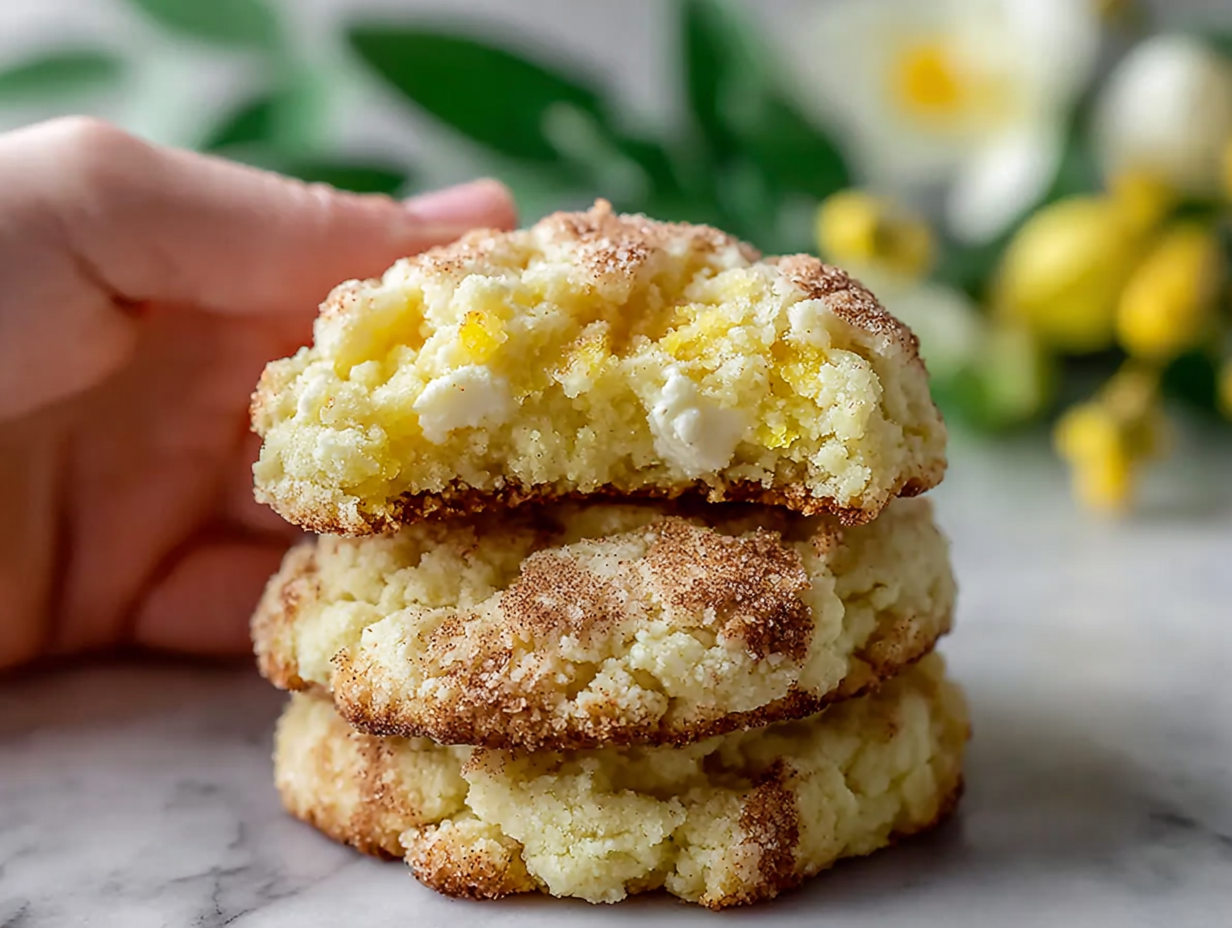
Making these cookies has become a cherished ritual in my kitchen. The process itself is a sensory delight—the scent of lemon zest being creamed into butter and sugar is pure happiness. It’s a simple, straightforward recipe, but the techniques we use, like properly creaming the butter and not overmixing the dough, make all the difference. These little details transform good cookies into unforgettable ones. Each bite delivers a perfect balance of sweet and tart, with a wonderfully soft and chewy texture that practically melts in your mouth. They are rolled in sugar for that signature snickerdoodle crunch, which gives way to a tender, cake-like interior. Whether you’re an experienced baker or just starting out, this recipe for Buttery Lemon Snickerdoodles is designed to be foolproof, guiding you to a perfect batch every single time. They are perfect for sharing with friends, bringing to a potluck, or simply hoarding for yourself for a week of delightful snacking.
Ingredients for Buttery Lemon Snickerdoodles
This recipe relies on a handful of simple pantry staples to create its incredible flavor and texture. The key is using fresh, high-quality ingredients, especially when it comes to the lemon. The zest and juice from a fresh lemon provide a brightness that you just can’t get from a bottle. I prefer King Arthur all-purpose flour for its consistent results, but any good quality AP flour will work beautifully. Make sure your butter and egg are at room temperature before you begin; this isn’t just a suggestion, it’s the secret to achieving that light, fluffy texture we’re aiming for. Cold ingredients don’t emulsify properly, which can lead to dense, greasy cookies. Taking a few extra minutes to let them sit on the counter is well worth the wait. The cream of tartar is another non-negotiable for that classic snickerdoodle tang and chew, so don’t be tempted to skip it!
- 1 tsp cream of tartar
- 1.5 cups all-purpose flour (I use King Arthur all-purpose flour)
- 0.25 tsp baking soda
- 0.25 tsp salt
- 0.5 tsp baking powder
- 1.5 tsp lemon zest (finely grated from fresh lemons)
- 3/4 cup sugar
- 0.5 tsp vanilla extract
- 1 tbsp lemon juice (freshly squeezed for best flavor)
- 1/2 cup butter (softened to room temperature)
- 1 large egg (room temperature)
- 3 tbsp sugar (for the coating)
Step-by-Step Instructions
Following these steps carefully will ensure your Buttery Lemon Snickerdoodles come out perfectly soft, chewy, and delicious. The process is broken down to be as clear and simple as possible. Pay close attention to the creaming process in step 3; it’s where you build the foundation for the cookie’s texture by incorporating air into the butter and sugar. Similarly, be mindful not to overmix the dough once the flour is added. A gentle hand at this stage prevents the development of too much gluten, keeping the cookies tender rather than tough. Think of it as gently persuading the dough to come together, not forcing it. Each step has a purpose, from whisking the dry ingredients to letting the cookies rest on the baking sheet, all contributing to the final, perfect bite.
- Start by preheating your oven to 350°F and lining a baking sheet with parchment paper. While the oven heats, zest your fresh lemons finely (you’ll need about 1.5 teaspoons) and squeeze the lemon juice (about 1 tablespoon). I always zest the lemon before juicing it because the zester can slip on a wet lemon—this small step prevents frustration and ensures you get the full aromatic zest.
- In a medium bowl, whisk together the flour, baking powder, salt, baking soda, and cream of tartar. Whisking these together incorporates air into the dry ingredients and distributes the leavening agents evenly, which gives you more consistent rise and texture.
- In a large bowl, beat the softened butter and 3/4 cup sugar together for 2-3 minutes until the mixture is light, fluffy, and pale. This creaming process is vital for the texture. Add the lemon zest and continue beating for another 30 seconds to release the oils and distribute the lemon flavor throughout.
- Add the room-temperature egg and vanilla extract to the butter mixture and beat for 1-2 minutes until well combined. Then add the fresh lemon juice and mix briefly. The mixture may look slightly curdled—this is normal and will smooth out once you add the dry ingredients.
- Add the dry ingredient mixture to the wet ingredients and mix on low speed until a soft dough just forms—stop mixing as soon as you don’t see any dry flour streaks. Overmixing makes cookies tough. Let your dough rest at room temperature for about 5 minutes so it’s easier to handle.
- Pour the 3 tablespoons of sugar for coating into a small shallow bowl. Using a cookie scoop or spoon, portion the dough into 1-inch balls and roll each one in the sugar coating until it’s evenly covered. Place each sugar-coated ball on your prepared baking sheet, spacing them about 2 inches apart.
- Bake at 350°F for 11-12 minutes, until the edges are set but the centers still look slightly underbaked. They’ll continue cooking on the hot pan. Remove from the oven and let the cookies rest on the baking sheet for 1-2 minutes before transferring them to a cooling rack. This brief rest helps them firm up so they don’t break.
Tips & Tricks for the Best Buttery Lemon Snickerdoodles
To truly master this Buttery Lemon Snickerdoodles recipe, there are a few tips I’ve learned over many batches that make a significant difference. First and foremost, respect the temperature of your ingredients. Using properly softened, room-temperature butter is non-negotiable. If your butter is too cold, it won’t cream properly with the sugar, and you’ll lose that light, airy texture. If it’s too soft or melted, your cookies will spread into thin, greasy crisps. The ideal consistency is soft enough that your finger leaves an indent, but not so soft that it’s oily. The same goes for the egg; a room temperature egg incorporates smoothly into the batter, creating a stable emulsion that holds onto the air you’ve just beaten into it. These small details are what separate good cookies from great ones. It’s about setting yourself up for success before you even start mixing.
Don’t Underestimate the Zest
All the bright, vibrant lemon flavor in these cookies comes directly from the lemon zest. The oils in the peel are far more potent and aromatic than the juice alone. When you cream the zest with the butter and sugar, you’re essentially infusing the fat with that essential lemon oil, which then gets distributed throughout every single bite of the cookie. Use a microplane or a fine grater to get a very fine zest, avoiding the white pith underneath, which can be bitter. Beating it with the butter for that extra 30 seconds as mentioned in the instructions really helps to release those fragrant oils. Freshness is key here; pre-packaged zest just doesn’t have the same punch. This is where the magic happens, turning a simple cookie into a truly special lemon dessert.
The Art of the “Underbake”
The secret to a perfectly soft and chewy snickerdoodle is to pull it from the oven when it looks just slightly underdone in the center. The edges should be set and lightly golden, but the middle will still look a bit puffy and soft. This is the moment to take them out. The cookies will continue to bake from the residual heat of the pan as they cool for a couple of minutes. This “carryover cooking” is what sets the center without turning the cookie hard and dry. If you wait until they look completely done in the oven, they will be crunchy and overbaked by the time they cool. Trust the process, and you’ll be rewarded with that perfect soft-baked texture.
Substitutions & Variations
One of the best things about a simple cookie recipe like this is how easily it can be adapted. While I adore these Buttery Lemon Snickerdoodles exactly as they are, you can certainly play around with the flavors and ingredients to suit your taste or what you have on hand. Don’t be afraid to experiment a little! The dough is very forgiving and serves as a wonderful canvas for other additions. Just remember that changing ingredients, especially flour, can affect the final texture and spread of the cookie, so you may need to adjust your baking time slightly. Always start by changing just one thing at a time so you can see what effect it has on the final product. This is how new family-favorite recipes are born!
Flavor Variations
If you want to build on the lemon base, there are several delicious paths to take. For a richer cookie, try adding about 3/4 cup of white chocolate chips to the dough at the very end. The creamy sweetness of the white chocolate is a perfect complement to the tart lemon. You could also experiment with other citrus fruits! Lime zest and juice would work beautifully for a zesty lime snickerdoodle, or try orange for a sweeter, less tangy version. For a little extra flair, you can make a simple lemon glaze (powdered sugar and lemon juice) to drizzle over the cooled cookies. This amplifies the lemon flavor and adds a lovely visual touch.
Dietary Swaps
For a gluten-free version, you can substitute the all-purpose flour with a good quality 1-to-1 gluten-free baking blend that contains xanthan gum. The texture might be slightly different—often a bit more delicate or sandy—but they will still be delicious. I haven’t personally tested this recipe with vegan substitutes, but you could try using a high-quality vegan butter stick (not a margarine tub) and a flax egg (1 tablespoon ground flaxseed mixed with 3 tablespoons water) as an egg replacer. The results may vary, as the fat and protein structure will be different, but it’s a worthy experiment for a plant-based treat.
Frequently Asked Questions about Buttery Lemon Snickerdoodles
Why did my cookies spread so much and become flat?
This is a common cookie conundrum! The number one culprit is usually butter that was too soft or melted. It’s crucial that your butter is at room temperature but still holds its shape. Overly soft butter will cause the cookies to spread rapidly in the oven. Another reason could be an inaccurate measurement of flour. If you don’t have enough flour to support the fat and sugar, the cookies will spread. I always recommend spooning the flour into your measuring cup and leveling it off, rather than scooping directly from the bag, which can compact the flour and lead to using too little.
Can I make the dough ahead of time?
Absolutely! This dough is great for making ahead. You can prepare the dough, cover the bowl tightly with plastic wrap, and refrigerate it for up to 2 days. When you’re ready to bake, let the dough sit at room temperature for about 15-20 minutes to soften up just enough to make it scoopable. Then, roll the balls in sugar and bake as directed. You may need to add an extra minute to the baking time since the dough will be starting from a colder temperature.
What’s the purpose of cream of tartar in snickerdoodles?
Cream of tartar is what gives a snickerdoodle its signature characteristics. It’s an acid that serves two purposes. First, it reacts with the baking soda to give the cookies their leavening and soft, chewy texture. Second, it lends a very subtle, distinctive tangy flavor that is the hallmark of a classic snickerdoodle. It also prevents the sugar in the dough from crystallizing, which contributes to that wonderfully tender crumb.
Conclusion
There is something so satisfying about pulling a tray of these golden, sugar-crusted Buttery Lemon Snickerdoodles from the oven. The warm, bright scent of lemon and butter fills the entire house, promising a truly delightful treat. This recipe is more than just a set of instructions; it’s an invitation to slow down, enjoy the process of baking, and create something wonderful with your own hands. The soft, chewy texture combined with the zesty lemon flavor makes for a cookie that is both comforting and exciting. I truly hope you love making and sharing this recipe as much as I do. It’s a little bite of sunshine, perfect for any time of year, and a guaranteed way to bring a smile to anyone’s face.
Buttery Lemon Snickerdoodles
Ingredients
Equipment
Method
- Start by preheating your oven to 350°F and lining a baking sheet with parchment paper. While the oven heats, zest your fresh lemons finely (you’ll need about 1.5 teaspoons) and squeeze the lemon juice (about 1 tablespoon).
- In a medium bowl, whisk together the flour, baking powder, salt, baking soda, and cream of tartar.
- In a large bowl, beat the softened butter and 3/4 cup sugar together for 2-3 minutes until the mixture is light, fluffy, and pale. Add the lemon zest and continue beating for another 30 seconds to release the oils and distribute the lemon flavor throughout.
- Add the room-temperature egg and vanilla extract to the butter mixture and beat for 1-2 minutes until well combined. Then add the fresh lemon juice and mix briefly. The mixture may look slightly curdled—this is normal and will smooth out once you add the dry ingredients.
- Add the dry ingredient mixture to the wet ingredients and mix on low speed until a soft dough just forms. Let your dough rest at room temperature for about 5 minutes so it’s easier to handle.
- Pour the 3 tablespoons of sugar for coating into a small shallow bowl. Using a cookie scoop or spoon, portion the dough into 1-inch balls and roll each one in the sugar coating until it’s evenly covered. Place each sugar-coated ball on your prepared baking sheet, spacing them about 2 inches apart.
- Bake at 350°F for 11-12 minutes, until the edges are set but the centers still look slightly underbaked. Remove from the oven and let the cookies rest on the baking sheet for 1-2 minutes before transferring them to a cooling rack.