There’s something incredibly satisfying about the sizzle of a hot wok and the aroma of garlic and ginger hitting the oil. For me, it’s the signal that dinner is going to be good. This Chicken Chow Mein recipe isn’t just another weeknight meal; it’s my go-to for recreating that amazing takeout experience right in my own kitchen, but honestly, so much better. It’s about controlling the ingredients, getting the vegetables perfectly crisp-tender, and making a sauce that’s miles ahead of anything from a bottle. This is one of those Easy Chinese Recipes that looks impressive but comes together so quickly once you have everything prepped. It’s a whirlwind of chopping, sizzling, and tossing that ends in a ridiculously flavorful bowl of noodles.
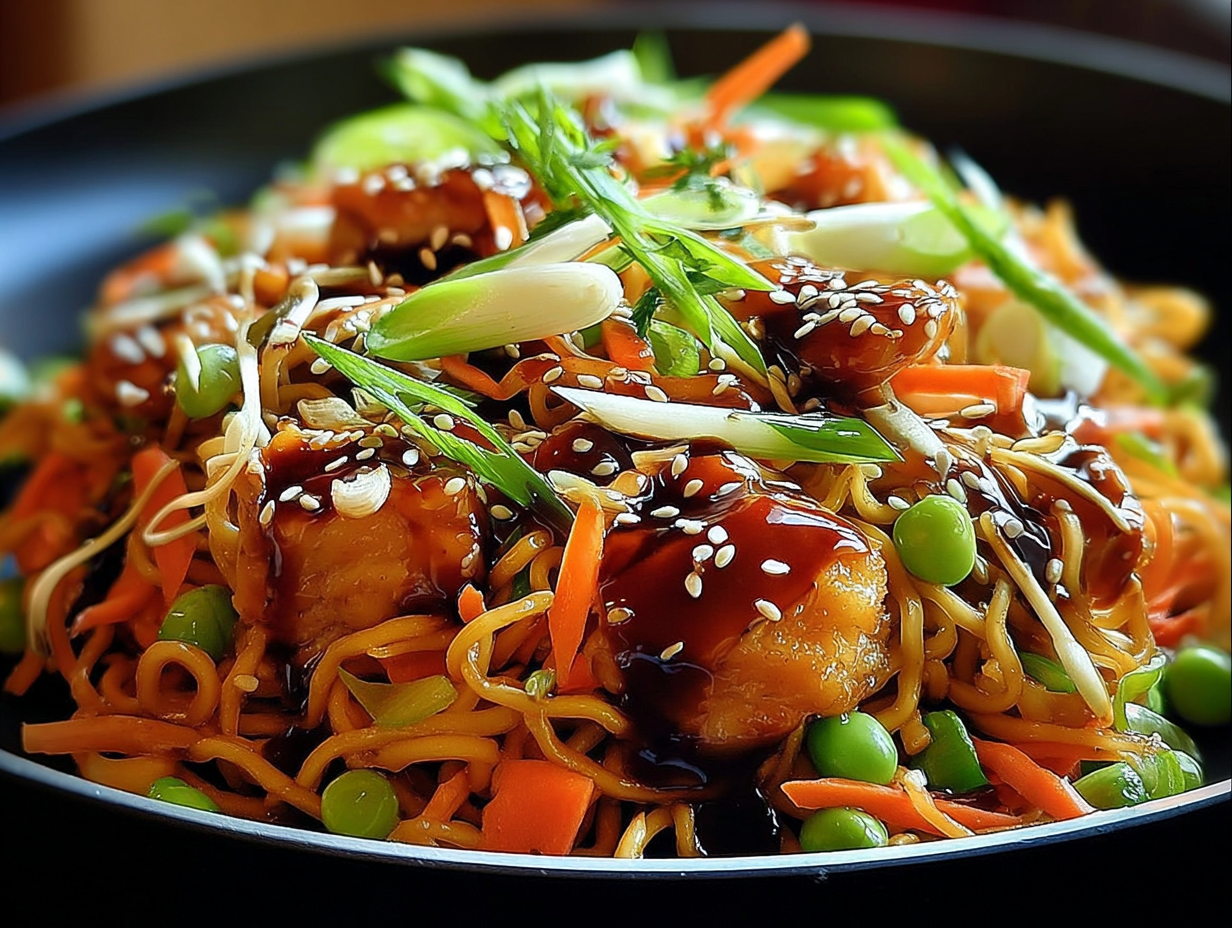
What really makes this dish stand out is the balance of textures and flavors. You have the tender, savory chicken, the slight crunch from the carrots and cabbage, and the soft, slurpable noodles, all brought together by a sauce that hits every note—salty, a little sweet, and deeply savory from the oyster sauce and sesame oil. It’s the kind of Homemade Chinese Food that makes you feel proud, a dish that proves you don’t need to order out to enjoy incredible Asian Noodle Dishes. Whether you’re a seasoned pro with Wok Recipes or just starting to explore Chinese cooking, this recipe is forgiving, adaptable, and, most importantly, absolutely delicious. It’s a culinary adventure that ends with a comforting, familiar meal.
Ingredients for this Chicken Chow Mein Recipe
- 1 lb chicken breast, boneless and skinless, cut into bite-sized strips
- 3 tbsp oil, divided (canola, vegetable, or avocado oil work well)
- 12 oz chow mein noodles (uncooked)
- 2 cups cabbage, thinly shredded
- 1 large carrot, julienned or cut into matchsticks
- ½ batch green onions, chopped
- 2 garlic cloves, minced
- 6 tbsp oyster sauce
- 3 tbsp low-sodium soy sauce
- 3 tbsp light sesame oil (not the toasted kind)
- ½ cup chicken broth
- 1 tbsp cornstarch
- 1 tbsp granulated sugar
How to Make Homemade Chicken Chow Mein
- Prepare the Sauce: This is the flavor base of your entire dish, so give it a good whisk! In a small bowl, combine the oyster sauce, granulated sugar, light sesame oil, soy sauce, chicken broth, and cornstarch. Whisk until the cornstarch and sugar are fully dissolved and the sauce is smooth. Set it aside for later; having it ready is key for a fast stir-fry.
- Cook the Noodles: Bring a pot of water to a boil and cook your chow mein noodles according to the package directions. They usually cook very quickly. As soon as they’re done, drain them immediately and rinse them under cold water. This stops the cooking process and prevents them from becoming mushy and sticking together. Set them aside.
- Cook the Chicken: Get your wok or a large, heavy-bottomed skillet nice and hot over medium-high heat. Add 2 tablespoons of the oil. Once it shimmers, add your chicken strips in a single layer. Let them cook without moving for a couple of minutes to get a nice golden-brown sear. Continue cooking for another 3-5 minutes, stirring occasionally, until cooked through. Remove the chicken from the pan and set it on a plate.
- Sauté the Vegetables: Add the last tablespoon of oil to the same pan. Add the julienned carrots, shredded cabbage, and minced garlic. Stir-fry for about 3-4 minutes. You want the vegetables to soften slightly but still have a bit of a crisp bite. The cabbage should look a little translucent at the edges. This is a key step in many Chinese Cooking Recipes.
- Combine and Cook: Now it’s time to bring it all together. Add the cooked chicken and the drained noodles back into the wok with the vegetables. Give your sauce one more quick whisk (the cornstarch can settle) and pour it all over everything in the pan. Use tongs to toss and stir everything together, coating every noodle and piece of chicken. Let it cook for another 2 minutes, stirring constantly, until the sauce thickens and everything is heated through.
- Garnish and Serve: Turn off the heat. Sprinkle the chopped green onions over the top for a fresh, sharp finish. Give it one last toss and serve it immediately while it’s hot and sizzling.
Tips & Tricks for the Perfect Chow Mein
Making great Homemade Chow Mein is all about speed and heat. The biggest piece of advice I can give is to have all your ingredients prepped and ready to go before you even think about turning on the stove. This is called “mise en place,” and for Wok Recipes, it’s non-negotiable. The cooking process is so fast that you won’t have time to chop a carrot while the garlic is in the pan. Have your veggies chopped, your sauce whisked, and your chicken sliced. This organization is the secret to a stress-free stir-fry experience and ensures nothing overcooks.
Another key is to not overcrowd your pan. If you cram too much chicken in at once, it will steam instead of sear, and you’ll miss out on that beautiful golden-brown color and flavor. If your skillet isn’t large enough, cook the chicken in two batches. The same goes for the vegetables. You want them to have direct contact with the hot surface to get that perfect crisp-tender texture that defines great stir-fried Asian Noodle Dishes. A little extra time cooking in batches pays off massively in the final result.
How do I keep my noodles from getting mushy?
The trick is twofold. First, be careful not to overcook them initially. Check them a minute before the package says they’ll be done. You want them al dente. Second, and this is crucial, rinse them with cold water immediately after draining. This instantly stops the cooking process and washes away excess starch, which is the main culprit behind sticky, clumpy noodles. A light toss with a tiny bit of sesame oil after rinsing can also help keep them separated until you’re ready to add them to the wok.
Substitutions and Variations for This Chow Mein Recipe
One of the best things about making Homemade Chinese Food is how easily you can adapt a recipe to your tastes or what you have in the fridge. This Chicken Chow Mein is a fantastic base for experimentation. Don’t feel locked into using chicken; this recipe works beautifully with other proteins. Thinly sliced beef (like flank steak), pork tenderloin, or shrimp would be excellent. For a vegetarian version, you could use firm tofu (pressed and cubed) or a medley of mushrooms like shiitake and cremini.
The vegetables are also completely customizable. While cabbage and carrots are classic, feel free to toss in other veggies that stir-fry well. Some great additions include broccoli florets (add them a minute or two before the others as they take longer to cook), sliced bell peppers of any color, snow peas, or sliced bok choy. You can also play with the sauce. For a bit of heat, add a teaspoon of chili garlic sauce or a pinch of red pepper flakes. A splash of rice vinegar at the end can brighten up the flavors. This flexibility is what makes these Chinese Dishes Recipes so great for weekly rotation.
Can I make this recipe gluten-free?
Absolutely. To make this chow mein gluten-free, you’ll need to make two simple swaps. First, replace the soy sauce with tamari or a gluten-free soy sauce alternative. Second, use gluten-free noodles. Rice noodles are a great option that will work well in this stir-fry. Ensure your oyster sauce and chicken broth are also certified gluten-free, as some brands can contain hidden gluten.
Chicken Chow Mein: Frequently Asked Questions
What is the difference between Chow Mein and Lo Mein?
It’s a common question! The main difference lies in how the noodles are prepared. In Chow Mein, the noodles are often fried or stir-fried to have a slightly crispy texture. In Lo Mein, the noodles are boiled and then simply tossed with the sauce, meat, and vegetables at the end, resulting in a softer, saucier dish. This recipe is a “soft” chow mein, where the noodles are stir-fried but remain relatively soft.
Can I make this recipe ahead of time?
Chow mein is definitely best when served fresh from the wok. However, it makes for great leftovers! Store it in an airtight container in the refrigerator for up to 3 days. To reheat, you can microwave it or, for better results, toss it in a hot skillet for a few minutes until heated through. The vegetables will lose some of their crispness, but it will still be delicious.
What kind of chow mein noodles are best?
You can find a couple of different types of chow mein noodles. There are fresh, refrigerated ones (often labeled as “steamed chow mein”) and dried ones. Both work well for this recipe. If you want a crispier texture, you can pan-fry the boiled and drained noodles in a bit of oil before adding the other ingredients. For this recipe, which is a softer stir-fried version, either dried or fresh will work perfectly.
A Final Word on Your Homemade Chow Mein
I hope you have as much fun making this Chicken Chow Mein recipe as I do. There’s a special kind of magic in transforming a handful of simple ingredients into a vibrant, flavorful meal that rivals any restaurant. The process is fast, engaging, and fills your kitchen with the most incredible aromas. It’s a perfect example of how rewarding making Homemade Chinese Food can be. So give this recipe a try, make it your own, and enjoy the satisfaction of a delicious, home-cooked meal.
Chicken Chow Mein
Ingredients
Equipment
Method
- Prepare the Sauce: This is the flavor base of your entire dish, so give it a good whisk! In a small bowl, combine the oyster sauce, granulated sugar, light sesame oil, soy sauce, chicken broth, and cornstarch. Whisk until the cornstarch and sugar are fully dissolved and the sauce is smooth. Set it aside for later; having it ready is key for a fast stir-fry.
- Cook the Noodles: Bring a pot of water to a boil and cook your chow mein noodles according to the package directions. They usually cook very quickly. As soon as they’re done, drain them immediately and rinse them under cold water. This stops the cooking process and prevents them from becoming mushy and sticking together. Set them aside.
- Cook the Chicken: Get your wok or a large, heavy-bottomed skillet nice and hot over medium-high heat. Add 2 tablespoons of the oil. Once it shimmers, add your chicken strips in a single layer. Let them cook without moving for a couple of minutes to get a nice golden-brown sear. Continue cooking for another 3-5 minutes, stirring occasionally, until cooked through. Remove the chicken from the pan and set it on a plate.
- Sauté the Vegetables: Add the last tablespoon of oil to the same pan. Add the julienned carrots, shredded cabbage, and minced garlic. Stir-fry for about 3-4 minutes. You want the vegetables to soften slightly but still have a bit of a crisp bite. The cabbage should look a little translucent at the edges. This is a key step in many Chinese Cooking Recipes.
- Combine and Cook: Now it’s time to bring it all together. Add the cooked chicken and the drained noodles back into the wok with the vegetables. Give your sauce one more quick whisk (the cornstarch can settle) and pour it all over everything in the pan. Use tongs to toss and stir everything together, coating every noodle and piece of chicken. Let it cook for another 2 minutes, stirring constantly, until the sauce thickens and everything is heated through.
- Garnish and Serve: Turn off the heat. Sprinkle the chopped green onions over the top for a fresh, sharp finish. Give it one last toss and serve it immediately while it’s hot and sizzling.