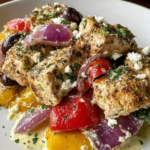
There are certain dishes that transport you, and for me, these Authentic Greek Potatoes are a direct flight to a sun-drenched taverna by the Aegean Sea. I still remember the first time I had them, not as a forgettable side dish, but as the star of the table. The edges were impossibly crispy, shattering lightly with each bite, while the insides were creamy and fluffy, saturated with a bright, tangy lemon and garlic marinade. It wasn’t just food; it was an experience—a lesson in how simple, rustic ingredients can create something truly spectacular. This recipe is my years-long effort to recreate that perfect moment, that perfect bite. It’s more than just a method; it’s a tribute to the heart of Greek cooking: simple, bold, and unapologetically delicious.

What makes these Patates Lemonates so special isn’t a secret, complicated technique. It’s about respecting the ingredients and the process. The magic lies in the alchemy of olive oil, fresh lemon juice, garlic, and oregano, creating a vibrant sauce that the potatoes absorb as they roast. We also use a crucial, but simple, trick of soaking the potatoes to remove excess starch, which is the key to that signature crispy exterior. This isn’t a quick weeknight side; it’s a labor of love that rewards your patience with the most incredible texture and flavor. They are the perfect accompaniment to roasted chicken, lamb, or fish, but honestly, I’ve made a meal out of a big bowl of these potatoes with a side of tzatziki and been perfectly happy. Get ready to make the best roasted potatoes of your life.
Ingredients for Authentic Greek Potatoes
The beauty of this recipe is its simplicity. You don’t need a long list of fancy items, just a few high-quality staples that form the backbone of Greek cuisine. The key is to use good ingredients, as their flavors will shine through. Freshly squeezed lemon juice is non-negotiable; the bottled kind just doesn’t have the same bright, zesty kick. The same goes for the olive oil. A good quality extra virgin olive oil will add a fruity, peppery depth that complements the other flavors perfectly. When it comes to the potatoes, you have a choice, but both Russets and Yukon Golds work beautifully here, offering slightly different textures in the final dish. This ingredient list is straightforward, allowing the bold, rustic flavors to take center stage and create those truly unforgettable crispy lemon potatoes.
- Potatoes: 2.5-3 lbs Russet or Yukon Gold Potatoes, scrubbed well.
- Lemon Juice: 1/2 cup (120ml) of freshly squeezed juice for that essential bright tang.
- Olive Oil: 1/2 cup (120ml) of a good quality extra virgin olive oil.
- Garlic: 4-6 cloves, minced. Don’t be shy with it!
- Oregano: 2 tablespoons of dried Greek oregano.
- Seasoning: 1 teaspoon of salt and 1/2 teaspoon of black pepper, or to taste.
- Broth: 1/2 cup (120ml) of vegetable or chicken broth (water also works in a pinch).
- Garnish (Optional): Fresh parsley or a sprinkle of fresh oregano to finish.
How to Make Authentic Greek Potatoes
Making these potatoes is a rewarding process that fills your kitchen with the most incredible aroma. The steps are simple, but the details matter. The initial soak is a game-changer for texture, so don’t be tempted to skip it. And when it’s time to dry the potatoes, be thorough—water is the enemy of crispiness! The roasting process is where the magic happens. The potatoes first roast in the intense marinade, absorbing all that flavor, and then we add a bit of broth to the pan. This creates a steamy environment that cooks the insides to fluffy perfection while the hot oven air continues to crisp up the outside. It’s a two-stage cooking process in one pan that guarantees that signature texture that makes Authentic Greek Potatoes so beloved. Follow these steps, and you’ll achieve crispy, lemony perfection every time.
- Prep and Soak the Potatoes: Wash your potatoes thoroughly. You can peel them if you like, but I love the rustic texture of the skin-on wedges. Cut them into uniform 1 to 1.5-inch wedges or chunks. Place them in a large bowl of cold water and let them soak for at least 30 minutes, or up to an hour. This step is crucial for drawing out starch and ensuring a crispy result.
- Dry and Preheat: Preheat your oven to 400°F (200°C). Drain the soaked potatoes completely and pat them extremely dry with paper towels or a clean kitchen towel. I mean it—get them as dry as you possibly can!
- Make the Marinade: In a large mixing bowl, whisk together the fresh lemon juice, olive oil, minced garlic, dried oregano, salt, and pepper. This vibrant mixture is the heart of the dish.
- Toss the Potatoes: Add your thoroughly dried potatoes to the bowl with the marinade. Toss everything together vigorously until every single nook and cranny of the potatoes is coated in the lemon-garlic goodness.
- Arrange for Roasting: Spread the potatoes in a single, even layer on a large, heavy-duty baking sheet. Do not overcrowd the pan! Use two pans if you need to. Giving them space is essential for browning and crisping.
- First Roast: Place the pan in the preheated oven and roast for 20-25 minutes. Don’t touch them during this time; let them form a nice initial crust.
- Flip and Add Broth: Carefully remove the pan from the oven. Use a spatula to flip the potatoes over. Pour the broth or water directly into the hot pan, not over the potatoes. It will sizzle and create steam, which helps cook the interior.
- Continue Roasting: Return the pan to the oven and continue to roast for another 25-35 minutes. Flip the potatoes every 10-15 minutes to ensure they brown evenly on all sides. Scrape up any delicious browned bits from the pan as you go.
- Final Crisp (Optional): The potatoes are done when they are golden brown, crispy on the outside, and easily pierced with a fork. For an extra-crispy finish, you can crank the heat up to 425°F (220°C) for the last 10 minutes or pop them under the broiler for 1-3 minutes (watch like a hawk!).
- Rest and Serve: Let the potatoes rest in the pan for 5 minutes before serving. This allows the flavors to settle. Garnish with fresh parsley or oregano if you wish, and enjoy immediately.
Tips & Tricks for the Best Greek Potatoes
Over the years, I’ve learned a few things that take these potatoes from ‘good’ to ‘unforgettable’. First, let’s talk about the soak again. It might seem fussy, but removing that surface starch is what allows the edges to get truly glassy and crisp. The second, and equally important, tip is ensuring the potatoes are bone dry before they meet the marinade. Any lingering moisture will steam the potatoes rather than roast them, leading to a softer texture. Another key is the pan itself. A heavy, sturdy metal baking sheet is your best friend here. It conducts heat evenly and promotes browning far better than a glass dish or a flimsy pan. Don’t be afraid to let them get really brown; those dark, crispy bits are where the most intense flavor is hiding. These little details collectively make a huge difference in achieving that perfect crispy lemon perfection.
Why is adding broth necessary?
Adding the broth or water partway through cooking might seem counterintuitive when you’re aiming for crispiness, but it serves a dual purpose. First, it introduces a bit of steam into the pan, which helps the inside of the potato wedges cook through to a perfectly fluffy, creamy consistency. Second, it helps to deglaze the pan, lifting all those delicious, caramelized bits of garlic, oregano, and lemon from the bottom of the pan and turning it into a fantastic pan sauce that coats the potatoes as they finish roasting. It’s a classic Greek technique that ensures the potatoes are flavorful and tender, not dry.
Substitutions & Variations
While this classic recipe for Authentic Greek Potatoes is perfect as is, it’s also wonderfully adaptable. You can easily tweak it to suit your taste or what you have on hand. Don’t have Russets or Yukons? Red potatoes also work well, though they have a waxier texture and won’t be quite as fluffy inside. You can also play with the herbs. While oregano is traditional, a sprig of fresh rosemary thrown onto the pan during the last 20 minutes of roasting adds a lovely, piney aroma. For a hint of warmth and color, try adding a half teaspoon of paprika or a pinch of red pepper flakes to the marinade. You could even add other vegetables to the pan; chunks of red onion or whole cherry tomatoes tossed in with the potatoes during the last 15-20 minutes would be delicious. The core technique remains the same, providing a fantastic base for your own culinary creativity.
Frequently Asked Questions
Why are my Greek potatoes not crispy?
The three most common culprits for soggy potatoes are: not soaking them to remove starch, not drying them thoroughly enough before roasting, and overcrowding the pan. Ensure you give them at least a 30-minute soak, pat them completely dry, and spread them in a single layer with plenty of space for air to circulate.
Can I make Authentic Greek Potatoes ahead of time?
These potatoes are definitely at their best served fresh and hot from the oven to maintain that perfect crispy texture. However, you can reheat them. The best way is to spread them on a baking sheet and pop them into a 400°F (200°C) oven for 10-15 minutes until they crisp up again. Microwaving is not recommended as it will make them soft.
What should I serve with these Greek Lemon Potatoes?
They are incredibly versatile! They are the classic accompaniment to roasted chicken, lamb chops, or grilled fish. They also pair wonderfully with souvlaki or gyros. For a simple and satisfying meal, serve them with a fresh Greek salad and a side of creamy tzatziki for dipping.
More Than Just a Side Dish
These Authentic Greek Potatoes are so much more than a simple side. They are a celebration of flavor, a testament to the magic of simple ingredients, and a dish that brings warmth and comfort to any table. The process of making them—the zesting, the chopping, the tossing, the roasting—is a sensory experience that fills your home with the promise of a delicious meal. Every time I make them, I’m reminded of that first perfect bite and the simple joy of sharing good food. I hope this recipe brings that same joy to your kitchen. Give them a try, and I promise they will earn a permanent spot in your recipe rotation.
Authentic Greek Potatoes
Ingredients
Equipment
Method
- Prep and Soak the Potatoes: Wash your potatoes thoroughly. You can peel them if you like, but I love the rustic texture of the skin-on wedges. Cut them into uniform 1 to 1.5-inch wedges or chunks. Place them in a large bowl of cold water and let them soak for at least 30 minutes, or up to an hour. This step is crucial for drawing out starch and ensuring a crispy result.
- Dry and Preheat: Preheat your oven to 400°F (200°C). Drain the soaked potatoes completely and pat them extremely dry with paper towels or a clean kitchen towel. I mean it—get them as dry as you possibly can!
- Make the Marinade: In a large mixing bowl, whisk together the fresh lemon juice, olive oil, minced garlic, dried oregano, salt, and pepper. This vibrant mixture is the heart of the dish.
- Toss the Potatoes: Add your thoroughly dried potatoes to the bowl with the marinade. Toss everything together vigorously until every single nook and cranny of the potatoes is coated in the lemon-garlic goodness.
- Arrange for Roasting: Spread the potatoes in a single, even layer on a large, heavy-duty baking sheet. Do not overcrowd the pan! Use two pans if you need to. Giving them space is essential for browning and crisping.
- First Roast: Place the pan in the preheated oven and roast for 20-25 minutes. Don’t touch them during this time; let them form a nice initial crust.
- Flip and Add Broth: Carefully remove the pan from the oven. Use a spatula to flip the potatoes over. Pour the broth or water directly into the hot pan, not over the potatoes. It will sizzle and create steam, which helps cook the interior.
- Continue Roasting: Return the pan to the oven and continue to roast for another 25-35 minutes. Flip the potatoes every 10-15 minutes to ensure they brown evenly on all sides. Scrape up any delicious browned bits from the pan as you go.
- Final Crisp (Optional): The potatoes are done when they are golden brown, crispy on the outside, and easily pierced with a fork. For an extra-crispy finish, you can crank the heat up to 425°F (220°C) for the last 10 minutes or pop them under the broiler for 1-3 minutes (watch like a hawk!).
- Rest and Serve: Let the potatoes rest in the pan for 5 minutes before serving. This allows the flavors to settle. Garnish with fresh parsley or oregano if you wish, and enjoy immediately.