There are some weeknights when the thought of cooking, let alone facing a sink full of dishes, feels like an impossible task. We’ve all been there. You’re tired, you’re hungry, and you need something delicious and comforting without the fuss. This is the exact feeling that led me to create these incredible One-Pot Teriyaki Noodles. It’s a complete meal that magically comes together in a single pot, filling your kitchen with the most amazing savory and sweet aroma. It’s the kind of recipe that feels like a warm hug at the end of a long day, and it has become my absolute go-to for a fast and satisfying dinner.
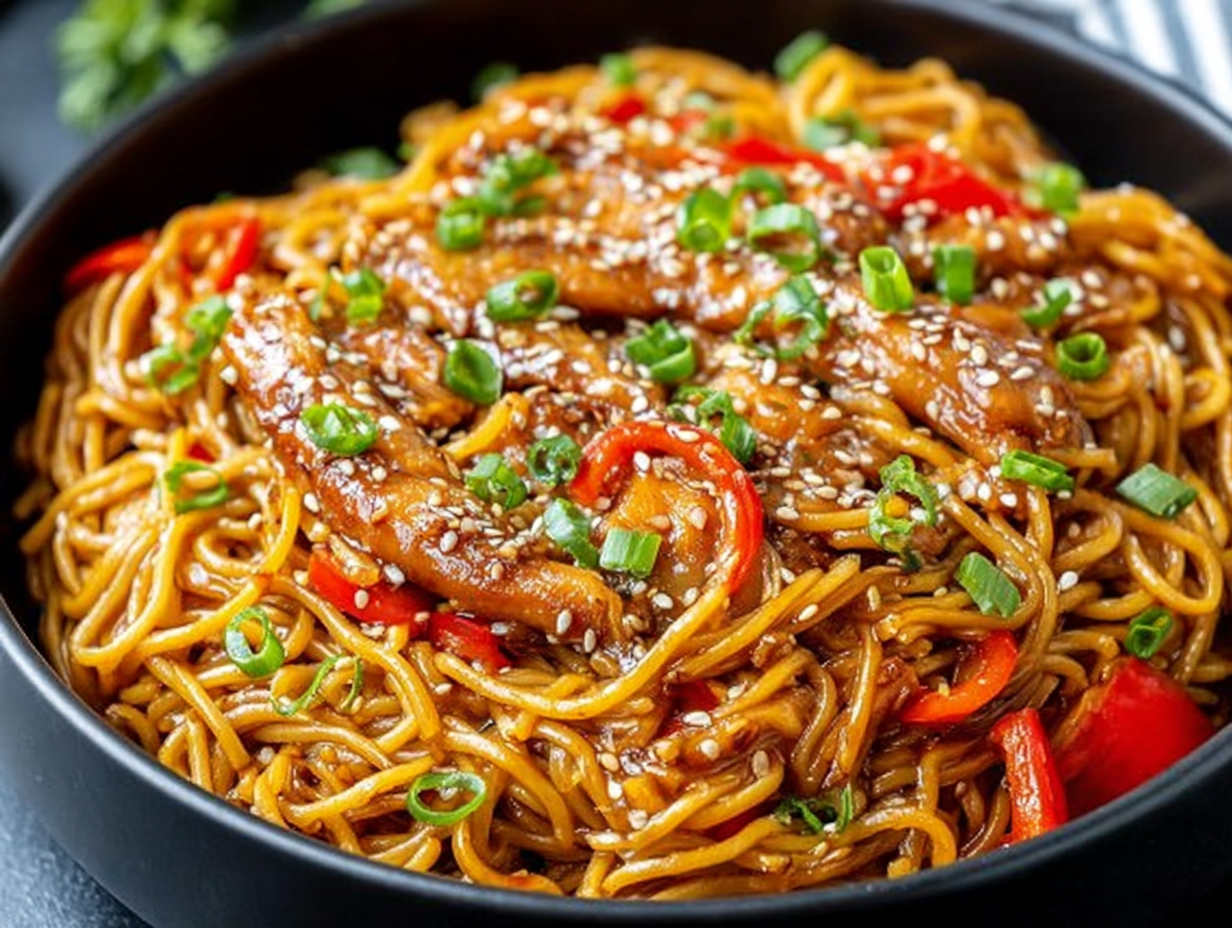
What makes this recipe so special isn’t just its simplicity, but its incredible depth of flavor. The noodles cook directly in the homemade teriyaki sauce, absorbing every bit of that salty, sweet, and garlicky goodness. As the spaghetti softens, it releases starches that thicken the sauce into a perfect coating for the tender-crisp cabbage and carrots. It’s a wonderfully efficient process that maximizes flavor with minimal effort. Forget juggling multiple pans and timers; this dish streamlines dinnertime so you can get back to your evening. This isn’t just a quick meal; it’s a smart solution for anyone craving a homemade dinner that tastes like it took hours to prepare, even though it’s ready in under 30 minutes. It’s truly a game-changer for busy families and my favorite way to make a fast dinner.
Ingredients for One-Pot Teriyaki Noodles
The beauty of this One-Pot Teriyaki Noodles recipe lies in its simplicity, and that starts with the ingredients. We’re using pantry staples to create a rich, flavorful teriyaki sauce from scratch, which makes a world of difference compared to the bottled stuff. The combination of soy sauce for saltiness, brown sugar for a deep, molasses-like sweetness, and aromatic ginger and garlic powder creates a perfectly balanced base. Ground mustard might seem like an odd addition, but it provides a subtle, tangy complexity that really elevates the final dish. You don’t need anything fancy to make this meal happen, which is why it’s such a reliable weeknight hero in my home.
For the body of the dish, we’re keeping it simple and healthy with shredded green cabbage and carrots. They add a wonderful texture and a touch of freshness that cuts through the richness of the sauce. As they sauté in the beginning, they release a bit of their natural sweetness, building the first layer of flavor in the pot. The spaghetti is our noodle of choice because it’s readily available and cooks perfectly in the sauce, but feel free to experiment with what you have on hand. Finally, a sprinkle of sesame seeds at the end adds a nutty crunch that ties everything together. It’s a short list, but every ingredient plays a crucial role in creating a truly satisfying meal.
What You’ll Need
- ½ green cabbage, shredded: Adds a lovely, tender crunch.
- 2 carrots, shredded: For a touch of sweetness and color.
- 1 teaspoon olive oil: To get the vegetables started.
- ⅔ cup soy sauce: The savory, umami backbone of the sauce.
- ½ cup brown sugar: Provides a deep, caramel-like sweetness.
- ½ teaspoon ground mustard: A secret ingredient for a little tang.
- 1 teaspoon ground ginger: For that classic warm spice.
- ½ teaspoon garlic powder: Adds essential aromatic flavor.
- 16 oz spaghetti (1-pound box): The perfect noodle for soaking up the sauce.
- 3 ½ cups water: The cooking liquid for the noodles and base for the sauce.
- 1 tablespoon sesame seeds: For a nutty, crunchy garnish.
A Quick Note on Ingredients
Question: Can I use fresh ginger and garlic instead of powdered?
Absolutely! If you have fresh ginger and garlic on hand, feel free to use them. I’d recommend about 1 tablespoon of freshly grated ginger and 2-3 cloves of minced garlic. Add them to the pot with the vegetables for the last minute of sautéing until they become fragrant. Powdered spices are used here for speed and convenience, keeping this a true pantry-staple recipe, but fresh aromatics will always add another layer of vibrant flavor to your One-Pot Teriyaki Noodles.
How to Make One-Pot Teriyaki Noodles
The step-by-step process for these noodles is as easy as it gets. The entire meal comes together in one large pot or Dutch oven, which is the key to its simplicity and easy cleanup. The magic happens as the noodles cook directly in the sauce. This method not only infuses the spaghetti with flavor from the inside out but also uses the starch from the pasta to naturally thicken the teriyaki sauce into a glossy coating. It’s a brilliant technique that saves time and dishes. The most important part of the process is stirring. As the spaghetti starts to soften, you’ll want to stir it more frequently to keep it from clumping together or sticking to the bottom of the pot. It’s a small, active step that ensures your final dish has the perfect texture. This method is the answer to the question of how to make dinner rolls in 30 minutes, but for noodles—it’s all about an efficient, rewarding process.
- Heat a large pot or Dutch oven over medium-high heat. Once it’s hot, add the olive oil. Swirl to coat the bottom, then add your shredded cabbage and carrots. Sauté the vegetables for about 5 minutes, stirring occasionally, until they just begin to soften and wilt.
- Pour in the soy sauce and sprinkle in the brown sugar, ground mustard, ground ginger, and garlic powder. Stir everything together until the brown sugar is dissolved and the sauce is well combined. This is your flavor base!
- Add the spaghetti to the pot. I like to break the noodles in half so they fit better and are easier to stir. Pour in the 3 ½ cups of water and give everything a good stir to ensure the noodles are submerged as much as possible.
- Bring the mixture to a simmer and cook, uncovered, for about 15-18 minutes. As the noodles begin to bend and soften, make sure to stir more frequently, scraping the bottom of the pot to prevent any sticking. The sauce will thicken as the water evaporates and the noodles cook.
- Once the noodles are fully cooked and tender and most of the liquid has been absorbed into a thick sauce, remove the pot from the heat. Toss in the sesame seeds and give it one final mix. Serve immediately, garnishing with more sesame seeds or sliced green onions if you have them.
Tips & Tricks for Perfect Teriyaki Noodles
Over the years, I’ve made this recipe countless times, and I’ve picked up a few little secrets that help guarantee success every single time. These aren’t complicated rules, just simple pointers that can elevate your dish from good to great. The most common pitfall with one-pot pasta dishes is the noodles sticking together or to the bottom of the pan. The key to preventing this is active stirring, especially in the second half of the cooking time. Once the spaghetti starts to become pliable, it’s your cue to be more attentive. Use a wooden spoon or silicone spatula to get into the corners of the pot, ensuring nothing is left behind. This simple action makes a huge difference and ensures every strand of noodle is perfectly coated in that delicious sauce.
Another tip is to manage your heat. While you want a steady simmer to cook the noodles, you don’t want a raging boil, which can cause the liquid to evaporate too quickly, leaving your noodles undercooked and the sauce too thick. If you notice the sauce is reducing too fast, don’t be afraid to turn the heat down to medium. Conversely, if it looks a bit too watery towards the end of the cooking time, you can crank the heat up for the last minute or two to help it thicken. The sauce will also continue to thicken as it cools slightly, so it’s better to pull it off the heat when it’s just a little looser than you’d like the final consistency to be. Trust the process, and you’ll have a perfect bowl of One-Pot Teriyaki Noodles. It’s one of my best 30 minute dinner rolls recipes for a reason—it’s reliable and delicious.
Common Questions Answered
Question: Why did my noodles come out gummy?
Gummy noodles are usually a sign of overcooking. Keep a close eye on the pasta during the last few minutes of the 15-18 minute window. Start testing a noodle around the 14-minute mark. You want it to be tender but still have a slight al dente bite. Remember that the noodles will continue to cook in the residual heat of the pot after you take them off the stove. Removing them when they are just perfectly cooked will prevent them from turning mushy as they sit. Also, ensure you are using the right amount of water, as too little liquid can create a starchy, gummy environment.
Substitutions & Variations
This One-Pot Teriyaki Noodles recipe is a fantastic canvas for customization. It’s incredibly forgiving and adaptable to whatever you might have in your fridge. One of the most popular variations is adding a protein, which transforms this dish into an even heartier meal. For a “One Pan Teriyaki Chicken and Noodles” experience, simply chop up a boneless, skinless chicken breast into bite-sized pieces. Sauté the chicken in the pot before you add the vegetables, cooking it until it’s browned and cooked through. Then, remove the chicken, set it aside, and proceed with the recipe as written, adding the cooked chicken back in at the very end. This method also works wonderfully with shrimp, ground pork, or beef strips.
Don’t feel limited by the cabbage and carrots! This recipe is a great way to use up any lingering vegetables. Broccoli florets, sliced bell peppers, snow peas, edamame, and sliced mushrooms are all excellent additions. Add heartier vegetables like broccoli along with the cabbage and carrots, and toss in more delicate ones like snow peas during the last 5 minutes of cooking. You can also swap out the noodles. While spaghetti works beautifully, you could use linguine, fettuccine, or even ramen noodles (just be sure to adjust the cooking time accordingly). For a gluten-free version, simply use your favorite gluten-free spaghetti and substitute the soy sauce with tamari or coconut aminos. Think of this as your go-to template for a fast dinner rolls easy meal—easy to adapt and always a winner.
Flavor Variation Ideas
- Make it Spicy: Add a teaspoon of sriracha or a pinch of red pepper flakes to the sauce for a kick of heat.
- Add Some Green: Stir in a few large handfuls of fresh spinach at the very end of cooking. It will wilt down into the sauce beautifully.
- Boost the Umami: For a deeper, richer flavor, add a tablespoon of miso paste or a teaspoon of sesame oil to the sauce.
- Go Plant-Based: For a protein-packed vegan option, add a can of drained chickpeas along with the noodles or stir in some pan-fried tofu at the end.
Frequently Asked Questions
Can I make One-Pot Teriyaki Noodles ahead of time?
While this dish is definitely best enjoyed fresh, you can certainly make it ahead of time. The noodles will absorb more of the sauce as they sit, so leftovers can be a bit drier. To store, let the noodles cool completely and place them in an airtight container in the refrigerator for up to 3 days. When you’re ready to reheat, I recommend doing so in a skillet over medium heat. Add a splash of water or soy sauce to help loosen up the noodles and reconstitute the sauce, stirring until everything is heated through.
Can I use a different type of noodle?
Yes, absolutely! Spaghetti is a great pantry staple, but other long pastas like linguine or fettuccine work just as well. You could even use ramen blocks or udon noodles. If you use a different type of noodle, you may need to adjust the cooking time and the amount of water. Check the package directions for the recommended cooking time and keep an eye on the pot, adding a bit more water if needed.
My sauce seems too thin. What did I do wrong?
Nothing went wrong! Sauce thickness can vary based on your stove’s heat and the exact type of pasta you use. If the noodles are cooked but the sauce is still too thin for your liking, don’t worry. Just let it simmer for another minute or two with the noodles, stirring constantly. The sauce will continue to reduce and thicken. Alternatively, you can let the pot sit off the heat for a few minutes before serving; the sauce will naturally thicken as it cools slightly.
The Perfect Weeknight Solution
And there you have it—a simple, satisfying, and incredibly delicious meal made in just one pot. This One-Pot Teriyaki Noodles recipe has saved me on more busy weeknights than I can count, and I hope it does the same for you. It’s proof that you don’t need a lot of time or a long list of ingredients to create a meal that feels special and comforting. The experience of watching a few simple ingredients transform into a complete dinner is one of the joys of cooking, and this recipe delivers that satisfaction every time. It’s more than just a fast homemade rolls recipe for dinner; it’s a dependable, flavorful solution that brings ease back to your kitchen.
I encourage you to give this recipe a try and make it your own. Add your favorite vegetables, throw in some chicken or tofu, or spice it up to your liking. Cooking should be enjoyable, not a chore, and recipes like this are designed to make your life easier and more delicious. Be sure to save or share this recipe for the next time you need a quick and easy dinner idea that the whole family will love.
One-Pot Teriyaki Noodles
Ingredients
Equipment
Method
- Heat a large pot or Dutch oven over medium-high heat. Once it’s hot, add the olive oil. Swirl to coat the bottom, then add your shredded cabbage and carrots. Sauté the vegetables for about 5 minutes, stirring occasionally, until they just begin to soften and wilt.
- Pour in the soy sauce and sprinkle in the brown sugar, ground mustard, ground ginger, and garlic powder. Stir everything together until the brown sugar is dissolved and the sauce is well combined. This is your flavor base!
- Add the spaghetti to the pot. I like to break the noodles in half so they fit better and are easier to stir. Pour in the 3 ½ cups of water and give everything a good stir to ensure the noodles are submerged as much as possible.
- Bring the mixture to a simmer and cook, uncovered, for about 15-18 minutes. As the noodles begin to bend and soften, make sure to stir more frequently, scraping the bottom of the pot to prevent any sticking. The sauce will thicken as the water evaporates and the noodles cook.
- Once the noodles are fully cooked and tender and most of the liquid has been absorbed into a thick sauce, remove the pot from the heat. Toss in the sesame seeds and give it one final mix. Serve immediately, garnishing with more sesame seeds or sliced green onions if you have them.