There are some weeknight dinners that just hit differently, and this Sticky Beef Noodles recipe is one of them. It’s that perfect, soul-satisfying meal I turn to after a long day when I’m craving something deeply flavorful but don’t have the energy for a complicated cooking project. This isn’t just another stir-fry; it’s a bowl full of comfort. The magic is in the sauce—a glossy, savory, and slightly sweet concoction that clings to every single strand of noodle and tender slice of beef. It fills the kitchen with an incredible aroma of garlic, ginger, and soy, promising that something wonderful is just minutes away.
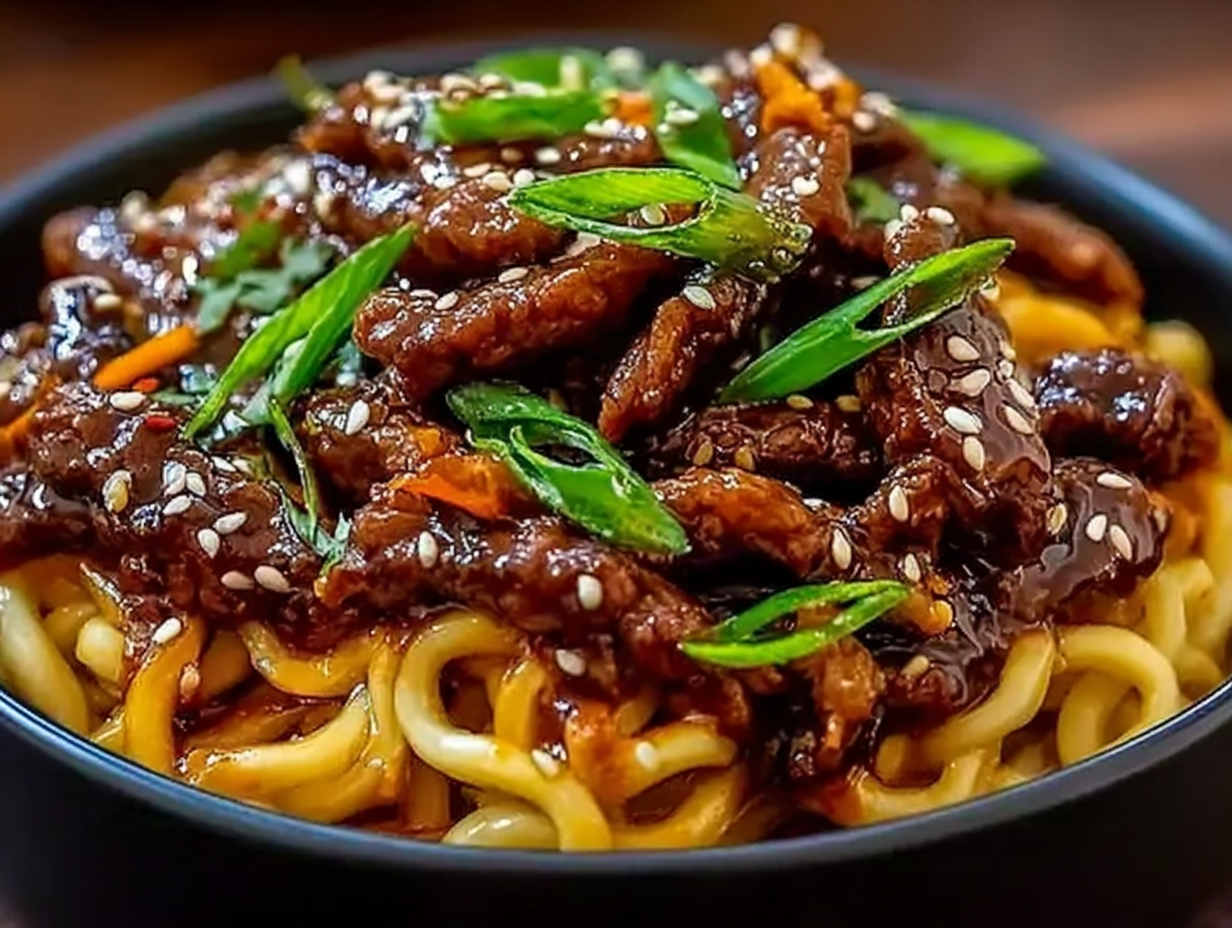
What I love most about this dish is how it delivers five-star flavor without demanding hours of my time. It’s a straightforward recipe that relies on a few pantry staples to create something truly special. The beef is marinated just long enough to absorb all the delicious flavors before it’s seared to perfection, creating a beautiful texture that pairs so well with the chewy noodles. It’s the kind of meal that makes you want to curl up on the couch and savor every bite. Whether you’re a seasoned cook or just starting to find your way around the kitchen, this recipe is forgiving, quick, and incredibly rewarding. It’s more than just food; it’s a delicious escape at the end of the day.
Ingredients for Sticky Beef Noodles
The beauty of this recipe lies in its simplicity and the use of ingredients that are likely already in your kitchen. Before you start cooking, it’s always a good idea to gather and prepare everything. This practice, often called ‘mise en place,’ makes the entire cooking process smoother and more enjoyable. You won’t be scrambling to find the soy sauce while your garlic is sizzling in the pan. For the beef, slicing it thinly is key to ensuring it cooks quickly and remains tender. A helpful tip is to place the beef in the freezer for about 15-20 minutes before slicing; this firms it up and makes it much easier to get those paper-thin cuts. The combination of soy sauce for saltiness, brown sugar for a touch of molasses-rich sweetness, and hoisin sauce for that deep, complex flavor is what makes the sauce so irresistible. The cornstarch is the secret weapon that brings it all together, thickening the sauce to that perfect, glossy consistency that coats everything beautifully. Don’t be tempted to skip the fresh ginger and garlic; their aromatic punch is essential and provides a vibrant base layer of flavor that powdered versions just can’t replicate.
- 8 ounces of egg noodles or rice noodles
- 1 pound of beef sirloin, thinly sliced
- 2 tablespoons of vegetable oil
- 4 cloves of garlic, minced
- 1 tablespoon of fresh ginger, minced
- ¼ cup of soy sauce
- 2 tablespoons of brown sugar
- 1 tablespoon of hoisin sauce
- 1 tablespoon of cornstarch
- ½ cup of beef broth
- 2 green onions, sliced for garnish
- Sesame seeds for garnish (optional)
What is the best cut of beef for this recipe?
For this Sticky Beef Noodles recipe, sirloin is an excellent choice because it’s lean, tender, and relatively affordable. It cooks quickly and soaks up the marinade beautifully. However, flank steak or skirt steak are also fantastic options. They have a bit more flavor and a slightly chewier texture that works wonderfully in stir-fries. The most important thing, regardless of the cut, is to slice it thinly against the grain. This shortens the muscle fibers, ensuring every bite is tender and easy to chew.
How to Make Sticky Beef Noodles
Now for the fun part. This recipe comes together in less than 30 minutes, making it a true weeknight champion. The process is simple: cook your noodles, marinate and sear the beef, create the sauce, and then toss everything together. The key to a great stir-fry is having your heat high and your ingredients ready. The beef should hit a hot pan to get a nice, quick sear, which locks in the juices and creates a delicious caramelized flavor. When you’re stir-frying the beef, do it in a single layer and avoid overcrowding the pan. If you put too much in at once, the beef will steam instead of sear, and you’ll miss out on that beautiful browning. If your skillet isn’t large enough, it’s better to cook the beef in two separate batches. This small extra step makes a huge difference in the final texture and flavor of your dish.
- First, get your noodles cooking according to the package directions. Once they’re done, drain them well and set them aside for later.
- While the noodles are cooking, marinate the beef. In a medium bowl, whisk together the soy sauce, brown sugar, hoisin sauce, and cornstarch until smooth. Add the thinly sliced beef and toss it all together to make sure every piece is coated. Let it sit and marinate for about 10 minutes.
- Heat the vegetable oil in a large skillet or wok over medium-high heat. Once the oil is shimmering, it’s ready.
- Carefully place the marinated beef in the skillet in a single layer. Let it cook for 3-4 minutes, stirring occasionally, until it’s nicely browned and cooked through. Remove the beef from the skillet and set it aside on a plate.
- In the same skillet, add the minced garlic and ginger. Sauté for about a minute until you can smell their wonderful fragrance. Be careful not to let them burn.
- Pour the beef broth into the skillet, scraping up any browned bits from the bottom of the pan—that’s where a ton of flavor is. Return the cooked beef to the skillet. Stir everything together and let it simmer for 2-3 minutes, allowing the sauce to thicken up into a sticky glaze.
- Add the cooked noodles to the skillet. Toss everything gently until the noodles are completely coated in that delicious, sticky sauce.
- Remove the skillet from the heat. Garnish your masterpiece with sliced green onions and a sprinkle of sesame seeds if you’re using them. Serve it up immediately and enjoy!
How do I keep my noodles from getting mushy?
The best way to avoid mushy noodles is to cook them until they are just al dente, meaning they still have a slight bite. They will cook a little more when you toss them in the hot sauce at the end. After draining the noodles, you can also rinse them briefly with cold water to stop the cooking process and prevent them from sticking together while you prepare the rest of the dish.
Tips & Tricks for the Best Sticky Beef Noodles
Over the years, I’ve learned a few things that take this Sticky Beef Noodles dish from good to absolutely unforgettable. It often comes down to small details in the technique. For instance, the way you manage your heat is crucial. You want the pan hot enough to get a quick, hard sear on the beef, but you need to lower it slightly when you sauté the garlic and ginger to prevent them from scorching and turning bitter. A bitter undertone can ruin the delicate balance of the sauce. Also, don’t underestimate the power of those last-minute additions. The fresh, sharp bite of the green onions and the nutty crunch of toasted sesame seeds aren’t just for looks; they add layers of texture and flavor that cut through the richness of the sauce, making each bite more interesting than the last. Taking a moment to toast your sesame seeds in a dry pan for a few minutes before sprinkling them on top can amplify their flavor immensely, adding a wonderful, nutty aroma to the finished dish.
The Secret to a Silky, Lump-Free Sauce
The cornstarch in the marinade is what thickens the beef broth into that luscious, sticky sauce. To ensure it’s perfectly smooth, make sure the cornstarch is completely dissolved in the soy sauce, sugar, and hoisin before adding the beef. If you find your sauce is lumpy, it’s likely the cornstarch wasn’t fully incorporated. Whisking it vigorously in the liquid ingredients first is the best way to prevent this. When you add the beef broth to the pan, it will combine with the residual marinade and cornstarch, thickening almost instantly as it simmers. Keep stirring gently as it heats to help the process along and ensure a silky, consistent texture.
Don’t Rush the Marinade
While 10 minutes is enough for the beef to pick up some flavor, letting it marinate for a little longer, say 20-30 minutes, can make a noticeable difference. It gives the salt in the soy sauce more time to work its magic, tenderizing the beef and allowing the flavors to penetrate more deeply. However, don’t be tempted to marinate it for hours; the cornstarch in the marinade can start to break down the beef’s texture if left for too long, potentially making it a bit mushy. A short marinating time is one of the things that makes this recipe so great for a quick meal.
Substitutions & Variations
One of the best things about a recipe like this is how easily you can adapt it to what you have on hand or to your personal taste. Think of this recipe as a fantastic template. Don’t have sirloin? No problem. This dish is incredibly versatile. It’s a great way to clean out the vegetable drawer or use up a different protein. The savory-sweet sauce is a perfect partner for so many different ingredients, so feel free to get creative and make it your own. Adding a handful of steamed broccoli florets, some sliced bell peppers, or a handful of snow peas can not only add a nice nutritional boost but also introduce a lovely color and crunch to the dish. Just toss them in for the last few minutes of cooking so they stay crisp-tender. It’s an easy way to turn this into a complete, one-pan meal.
Ingredient Swaps
- Protein: Thinly sliced chicken breast or thigh, pork tenderloin, or even shrimp would be delicious. For a vegetarian option, try using firm or extra-firm tofu (pressed well to remove excess water) or a hearty mushroom like portobello, sliced thickly.
- Noodles: No egg noodles? Udon, ramen, or even spaghetti or linguine can work in a pinch. Just cook them according to their specific instructions.
- For a Gluten-Free Version: To make this recipe gluten-free, simply use tamari instead of soy sauce, ensure your hoisin sauce is certified gluten-free, and use rice noodles. The result will be just as delicious.
Flavor Variations
If you like a bit of heat, a teaspoon of sriracha, a pinch of red pepper flakes, or some chili garlic sauce whisked into the sauce will add a nice kick. For a bit more complexity, a splash of rice vinegar or a squeeze of lime juice at the end can brighten up all the flavors. You could also add other vegetables like bok choy, carrots, or edamame to make it a more robust meal.
Frequently Asked Questions
Can I prepare any parts of this dish in advance?
Absolutely. To save time, you can slice the beef and whisk together the marinade ingredients (soy sauce, brown sugar, hoisin, cornstarch) ahead of time. Store the beef in the marinade in an airtight container in the refrigerator for up to 8 hours. You can also mince your garlic and ginger and slice the green onions in advance. With all the prep done, the final cooking process will take you less than 15 minutes.
How do I store and reheat leftovers?
Store any leftover Sticky Beef Noodles in an airtight container in the refrigerator for up to 3 days. To reheat, you can microwave it in short bursts until warm, but I find the best method is to gently reheat it in a skillet over medium-low heat. You might want to add a splash of water or beef broth to loosen up the sauce and prevent the noodles from drying out.
What should I serve with Sticky Beef Noodles?
This dish is a fantastic one-bowl meal on its own, but if you want to round it out, it pairs wonderfully with a side of steamed or roasted vegetables like broccoli, bok choy, or green beans. A simple, crisp cucumber salad would also be a refreshing contrast to the rich, savory noodles.
Conclusion
There is something incredibly satisfying about creating a meal that tastes like it came from your favorite takeout spot, right in your own kitchen. This Sticky Beef Noodles recipe is exactly that—a simple, quick, and deeply flavorful dish that always hits the spot. The combination of tender beef, chewy noodles, and that incredible sauce is pure comfort in a bowl. It’s a recipe that proves you don’t need a long list of complicated ingredients or hours of effort to make something truly delicious. I hope you give this recipe a try and that it becomes a go-to favorite for your busy weeknights, just as it has for mine. It’s a meal worth sharing, so be sure to save it for later!